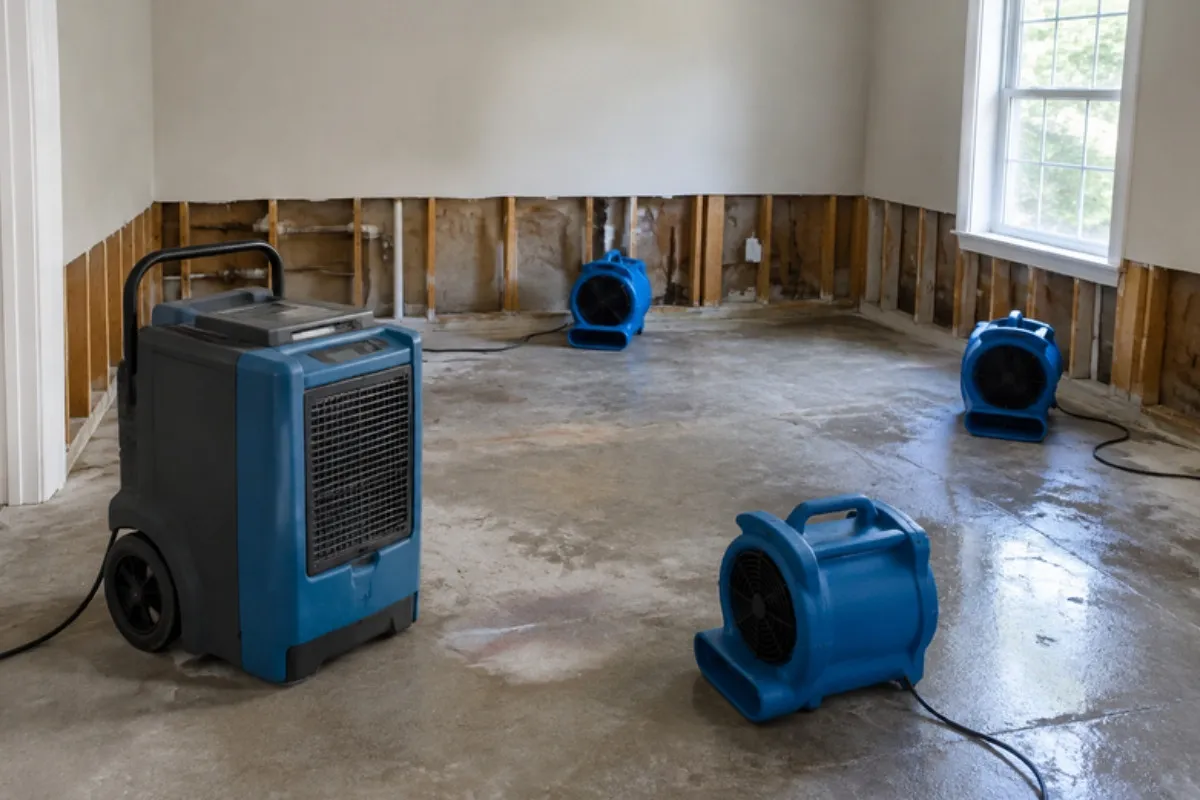
Homes along the Alafia River in Riverview took up to five feet of water during Hurricane Helene, and any home that stayed wet for more than a day or two should be treated as having mold inside the walls. Post-flood removal means cutting out soaked drywall and insulation, cleaning and drying the framing and slab, and only then rebuilding. Call the number on this page to be connected with a local mold remediation company in Riverview.
My Riverview home is newer. Does floodwater still cause mold?
Yes. Riverview grew fast, from about 71,000 residents in 2010 to more than 107,000 in 2020, and the median home was built in 2006. Newer construction doesn't change how drywall, fiberglass insulation and carpet react to water: they absorb it, hold it, and feed mold within a couple of days in Tampa Bay's heat and humidity. Builder-grade cabinets made of particleboard tend to swell and trap moisture too. On a newer house, the scope of mold removal depends on how high the water went and how quickly drying started, not on the age of the structure.
Was my street really at risk?
The Alafia River flows through the northern part of Riverview and forms part of its northeastern edge. During Hurricane Helene in 2024, homes on Parkway Circle along the river took in up to five feet of water, and residents said the water came higher than they were used to. Hillsborough County warns that heavy rain and tropical storms can flood the same areas more than once, and it urges residents to check whether their property sits in a special flood hazard area. Homes farther from the river are more likely to see water from a burst line, an AC overflow or a roof leak, which leads to the same kind of mold on a smaller scale.
What gets removed, and what can stay?
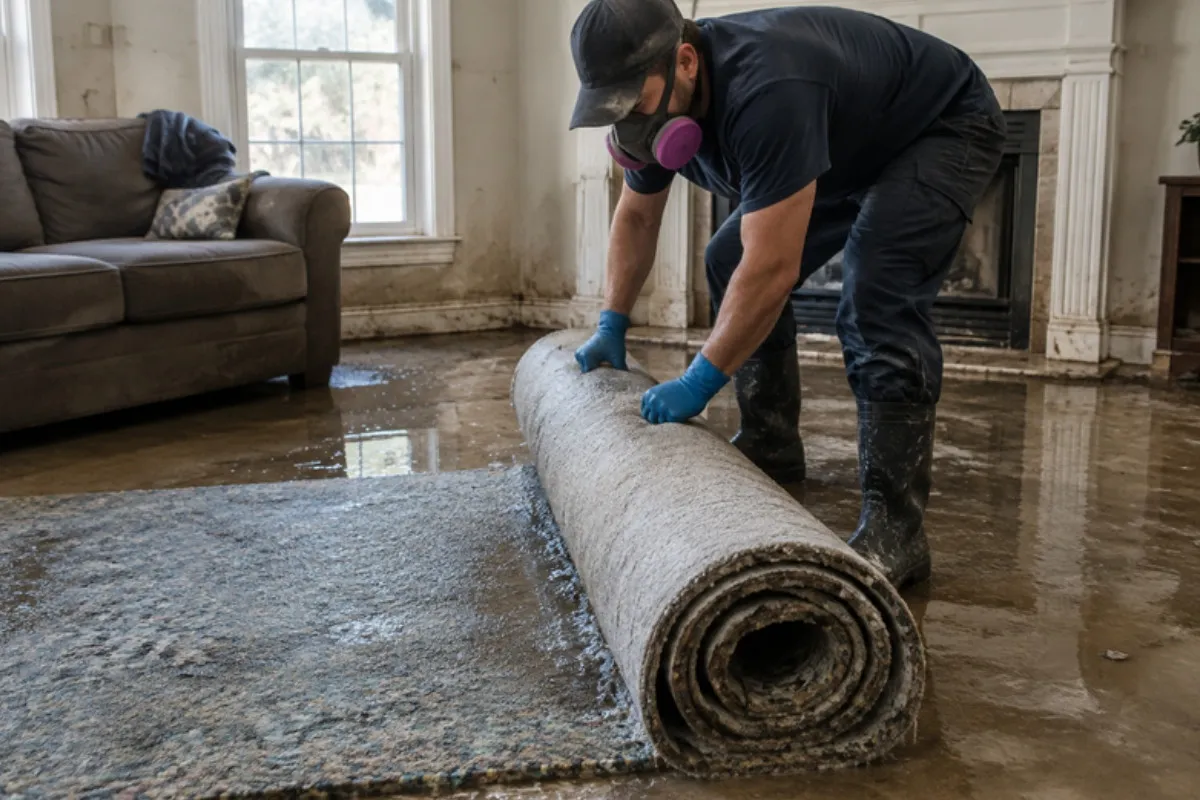
EPA says porous materials such as carpet and ceiling tiles may need to be thrown away when they're moldy, and painting or caulking over mold doesn't fix it. In practice, a remediation company will usually:
- Cut drywall above the highest wet point so the insulation and bottom plates are exposed
- Bag and remove soaked insulation, carpet and padding
- Clean and dry the studs, slab and other hard surfaces
- Keep the walls open until moisture readings confirm they're dry
Angi's Tampa-area range for whole-house remediation is $10,750 to $32,250, while a contained job usually lands closer to its typical $1,347 to $3,778. Rebuilding is generally a separate cost.
Riverview permits and renters
Hillsborough County's recovery guidance says cosmetic drywall removal and replacement doesn't need a permit, though a Substantial Damage packet must still be filed, while structural repairs in a Special Flood Hazard Area need a permit from Hillsborough County Development Services. About 8 percent of Riverview homes are mobile homes and roughly a quarter are rented; tenants can report unrepaired water damage to Hillsborough County Code Enforcement. Clearance testing after remediation comes from a separate mold assessor under Florida law.
Post-Flood Mold Removal questions in Riverview
How soon does mold start after a home floods?
Do I need a mold test after a flood?
Does homeowners insurance cover flood damage and the mold that follows?
Is flood mold removal different in a mobile or manufactured home?
More mold services in Riverview
Post-Flood Mold Removal nearby
Sources
- EPA: Homeowner's and Renter's Guide to Mold Cleanup After Disasters (pdf)
- EPA: Mold Cleanup in Your Home
- EPA: Mold Information Slideshow (testing and sampling)
- Florida Statutes s. 468.8419, Prohibitions; penalties (Florida Senate)
- Angi: How Much Does Mold Remediation Cost in Tampa, FL?
- Hillsborough County: Flood Information and Safety
- Hillsborough County: Rebuilding and Repair After a Hurricane
- Hillsborough County Development Services
- Hillsborough County Code Enforcement: Codes We Enforce
- Wikipedia: Riverview, Florida
- Point2Homes: Riverview demographics and housing
- Bay News 9: Homeowners in Riverview say Hurricane Helene flooded their homes
Last updated: