If floodwater reached your walls, floors or cabinets and the house could not be dried within 24 to 48 hours, EPA says to assume mold is growing. Post-flood mold removal means cutting out soaked porous materials, cleaning and drying the structure, and confirming the space is dry before anything is rebuilt. Call the number on this page to be connected with a local mold remediation company in Tampa.
What Tampa learned from Helene and Milton
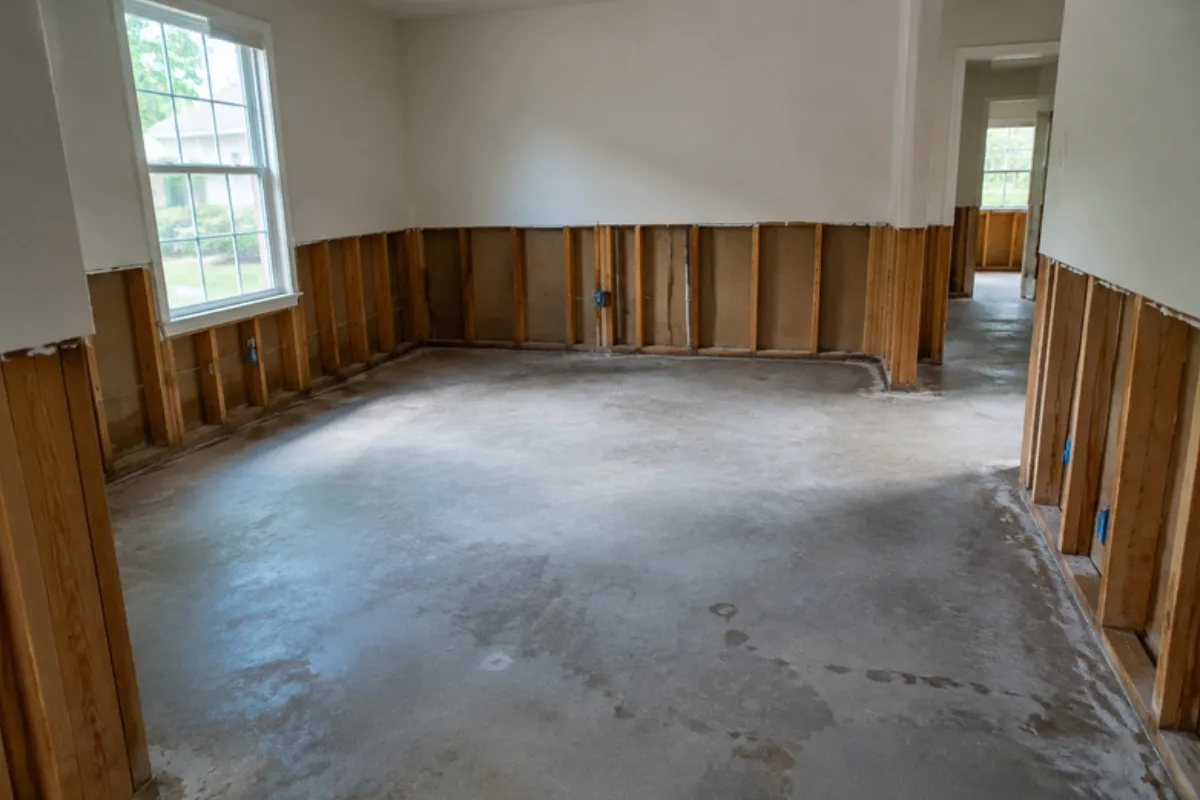
Tampa floods two ways. The City of Tampa says storm surge from tropical systems causes the most widespread damage, while intense summer thunderstorms cause flooding more often. In 2024 both happened. Helene's surge put nearly every street on Davis Islands underwater, and Milton's heavy rain flooded Fowler Avenue and much of North Tampa. Homes along Bayshore Boulevard, near Westshore Boulevard and in the Hillsborough River floodplain sit in the same kind of exposure.
Floodwater is different from a clean pipe leak. It carries silt and debris into wall cavities, soaks insulation and the bottom of drywall, and on Tampa's concrete slabs it leaves moisture that takes a long time to leave. Mold can be growing inside a wall that looks dry on the surface.
First steps before any mold work
- Follow the city's re-entry guidance: do not wade through floodwater, and turn off electricity and check for gas leaks before going back in.
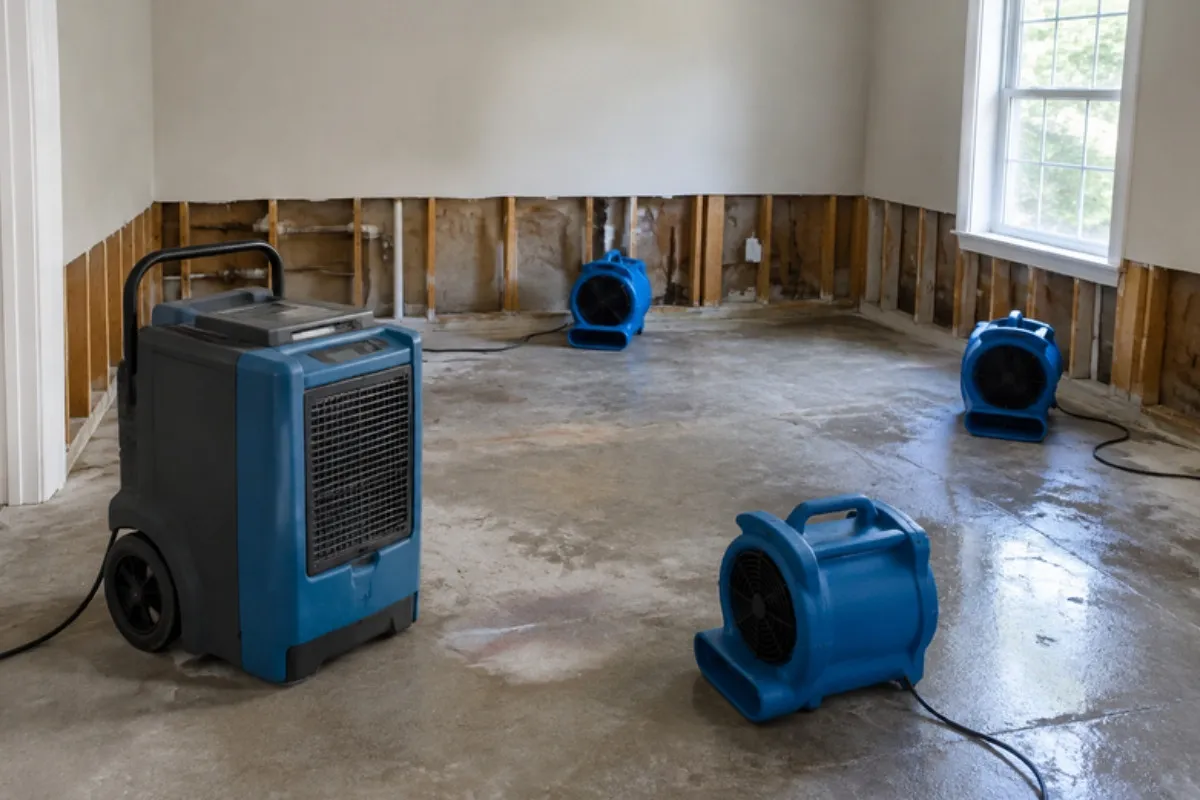
- Get the water source handled and the house drying. Drying comes first; mold removal on a wet structure does not hold.
- Photograph every room and the waterline before anything is torn out, for your insurer.
- Keep children out of the cleanup, and anyone with asthma or a weakened immune system away from moldy areas, as EPA advises. Wear at least an N-95 respirator if you handle wet materials yourself.
What a mold remediation company does after a flood
The core of the job is the flood cut: removing drywall to a set height above the waterline, usually a foot or more, so the wet insulation and bottom plates can be exposed, cleaned and dried. EPA says porous materials such as carpet, padding and ceiling tiles may have to be thrown away once moldy, and the Florida Department of Health says drywall and insulation may need removal too. Hard surfaces are cleaned, and the cavity stays open until moisture readings show it is dry. Painting or caulking over mold is not a fix.
Permits and the 50% rule
Mold removal is often only the first part of putting a flooded home back together. The City of Tampa says homes in special flood hazard areas (A and V zones) whose improvements exceed 50% of the home's value must be brought to current code, including elevation. It tells owners to contact Construction Services for permit requirements before making repairs. Ask that question before you sign rebuild contracts, not after.
Insurance and paperwork
The city notes that homeowner's policies usually do not cover flood damage and that a separate NFIP flood policy may be needed. Keep the remediation scope, photos and any moisture readings together; adjusters and later buyers both ask for them.
Under Florida law, the company that assesses a structure cannot remediate it within 12 months, and the reverse is also true. If you want clearance testing after the flood work, expect it to come from a separate mold assessor.
Post-Flood Mold Removal questions from Tampa homeowners
How fast does mold grow after a flood in Tampa?
How high should drywall be cut after a flood?
Do I need mold testing after a flood?
Does the City of Tampa require a permit to rebuild after flooding?
Related mold services in Tampa
Post-Flood Mold Removal in nearby cities and towns
Hillsborough County
Pinellas County
Pasco County
Manatee County
Sarasota County
Polk County
Sources
- EPA: Homeowner's and Renter's Guide to Mold Cleanup After Disasters (pdf)
- EPA: Mold Cleanup in Your Home
- Florida Department of Health: Mold
- City of Tampa: Flood information
- City of Tampa: Stormwater flooding brochure (pdf)
- FOX 13: Dozens rescued on Davis Island during Hurricane Helene
- Axios Tampa Bay: Milton flooding in North Tampa and the University Area
- City of Tampa: Construction Services Center
- Florida Statutes s. 468.8419: Mold-related services prohibitions
Last updated: