Mold testing means collecting air or surface samples and sending them to a lab, and both EPA and the Florida Department of Health say it is usually unnecessary when mold is visible. It is useful for confirming hidden growth, checking whether a cleanup worked, or documenting conditions for a landlord or insurer. Call the number on this page to be connected with a local mold inspector or remediation company.
Start with the question, not the test
Before paying for lab work, decide what you need to know. If the answer would not change what you do next, skip the test and spend the money on fixing the moisture.
| Your situation | Does testing help? |
|---|---|
| Visible growth on a wall or ceiling | Usually no. Remove it and fix the source. |
| Musty smell, nothing visible | Sometimes, after a moisture check points to a likely area |
| After remediation, before rebuilding | Yes. This is clearance testing. |
| Rental dispute or insurance claim | Often, for documentation |
| Want to know if it's "black mold" | No. Color and species don't change the cleanup. |
Types of samples
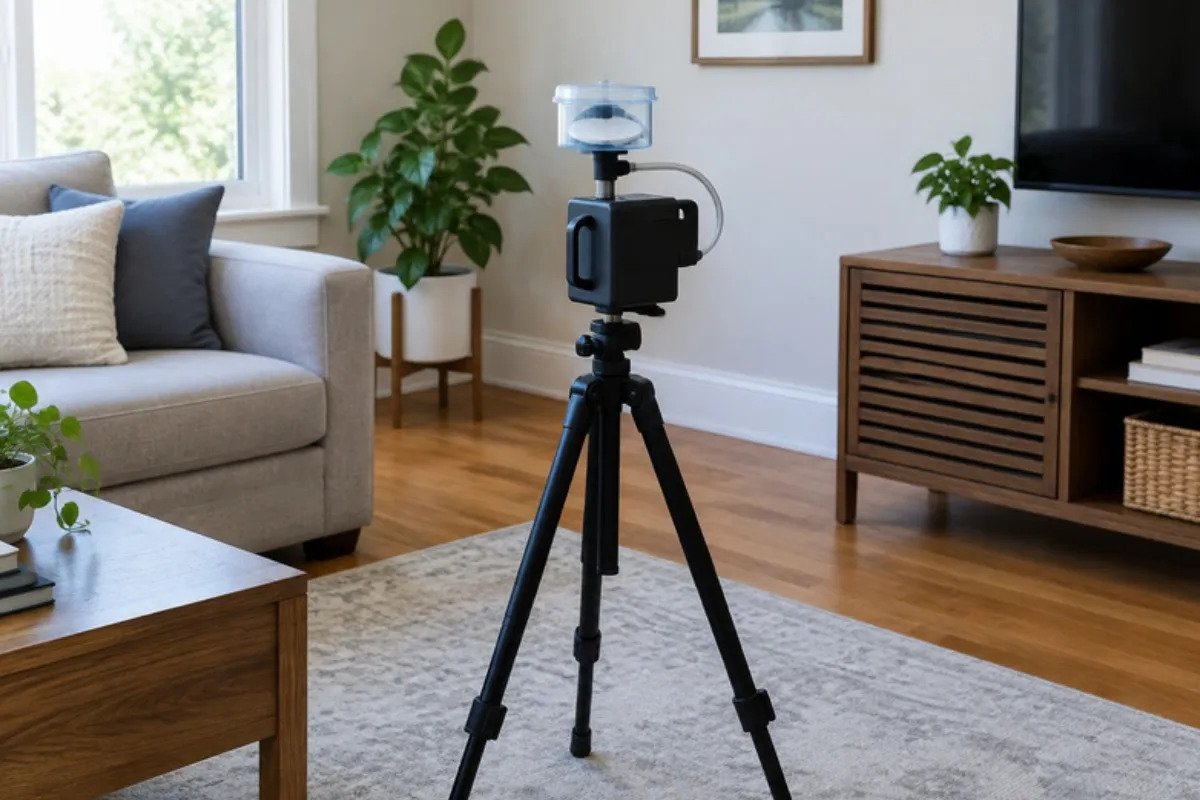
- Air samples pull a measured volume of indoor air through a cassette and compare it with an outdoor sample taken the same visit. In Tampa's humid climate outdoor counts can run high, so the comparison matters more than any single number.
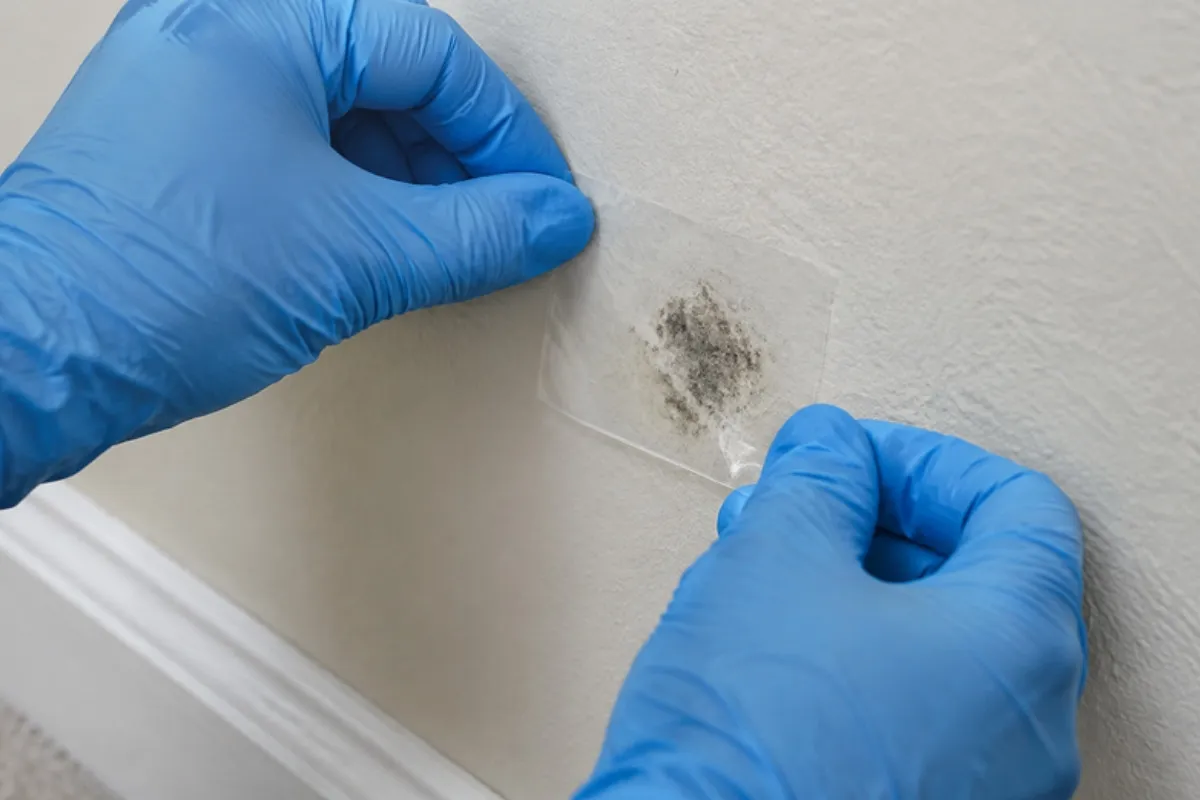
- Surface samples (swab or tape lift) identify what is growing on a specific spot. EPA notes they can help show whether an area was adequately cleaned.
- Wall-cavity samples are drawn through a small hole when growth behind drywall is suspected.
Reading the results
There are no EPA or federal limits for mold or mold spores, so no lab report can tell you a home is officially safe or unsafe. A useful report compares indoor and outdoor results, flags types that commonly grow on wet building materials, and ties the findings to a location. Be wary of anyone who uses a lab result to push a large job without finding the moisture source. If you have health concerns, EPA notes mold can irritate the eyes, skin, nose, throat and lungs; talk with a health professional.
Who should take the samples
Florida's s. 468.8419 keeps assessment and remediation separate on the same structure for 12 months, so testing, including post-remediation clearance, should come from a mold assessor rather than the company doing the removal. Check the assessor's license on DBPR's online licensee search. HomeAdvisor reports Tampa mold testing typically runs $327 to $903, driven by the number of samples, lab turnaround and whether a full inspection is included.
Mold Testing questions from Tampa homeowners
Are home mold test kits worth buying?
How many samples do I need?
What is clearance testing?
Can testing tell me if my home is safe?
Related mold services in Tampa
Helpful guides
Mold Testing in nearby cities and towns
Hillsborough County
Pinellas County
Pasco County
Manatee County
Sarasota County
Polk County
Sources
Last updated: