Most mold in St. Petersburg homes traces back to water: storm surge in bayfront neighborhoods, roof and plumbing leaks in older houses, and AC systems that run most of the year. The fix is to stop the moisture, remove what can't be cleaned and dry the structure. Call the number on this page to be connected with a local mold remediation company in St. Petersburg.
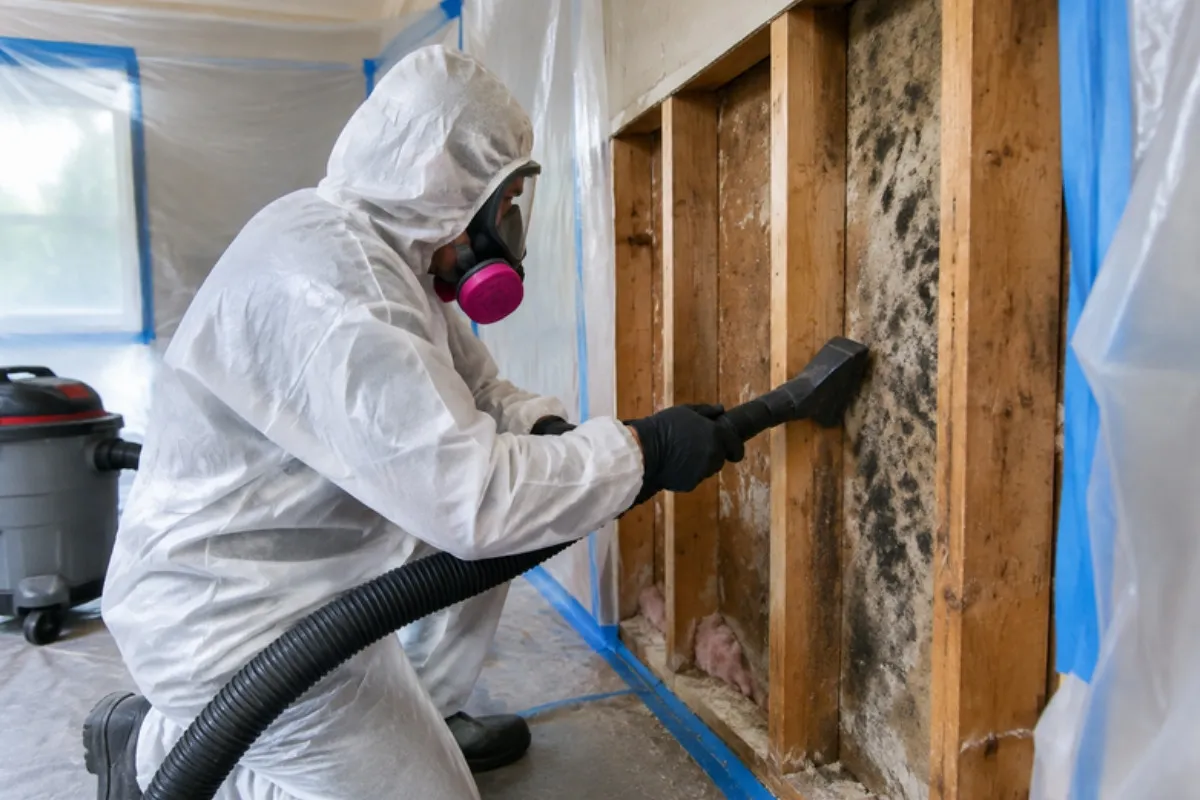
Mold services in St. Petersburg
A city built close to the water
St. Petersburg covers the southern end of the Pinellas peninsula in Pinellas County, about 17 miles from Tampa across the bay. Much of its housing is older: the median home in the city was built in 1969. Houses of that age have usually been through several roofs, plumbing repairs and AC replacements, and every one of those is a spot where a slow leak can soak a wall cavity without anyone noticing for months.
What Helene left behind
The city reported more than 6 feet of storm surge during Hurricane Helene. Shore Acres took some of the worst of it, with some homeowners saying water reached their doorknobs, and Fire Rescue boats went to Shore Acres, Snell Isle and Venetian Isles for rescues. More than 100 miles of city roads flooded. After Hurricane Milton, Pinellas County told residents of flooded homes to get wet contents out as soon as possible to prevent mold and to clean and disinfect everything the water touched.
EPA's guidance for flooded homes is direct: if the house could not be dried within 24 to 48 hours, assume mold is growing, even where a wall looks clean. Inland streets face a quieter version of the same problem, from humid air, clogged condensate lines and roof leaks after summer storms. Pinellas County says everyone in the county lives in a flood zone of some risk level, and standard homeowners and renters policies typically don't cover flood.
Permits and the 49% Rule
Removing mold is cleaning and demolition, but putting the house back together often needs a permit. The City of St. Petersburg's Building & Permitting office issues building permits inside the city, and storm-damaged homes need a permit before repairs begin. In flood hazard areas the city applies its 49% Rule: when repair and improvement costs reach 49% of the building's pre-storm market value, the structure has to meet current zoning, building and floodplain rules. Check with the city before you schedule new drywall and flooring.
If you rent
About 37% of occupied homes in the city are rented. When a landlord leaves a leak or moisture problem unfixed, the city's Codes Compliance Assistance office takes property maintenance complaints online through SeeClickFix or by phone.
Health questions and who does the work
EPA notes that mold can irritate the eyes, skin, nose and throat and the lungs, and that people with asthma or weakened immune systems should stay away from moldy areas. The Florida Department of Health in Pinellas County is the local public health contact; personal health concerns belong with a health professional.
Florida law keeps assessment and removal apart. Under s. 468.8419, a company that assesses a structure can't remediate it within 12 months, and a remediator can't assess a structure it worked on in that window, so the inspector and the removal company are normally separate businesses. When you call, you'll be connected with an independent local company. Have the water source and the date things got wet ready, and ask whether the person running the job holds a Florida mold remediator license, which you can confirm on DBPR's licensee search.
Common questions in St. Petersburg
Does a St. Petersburg home need a permit after mold removal?
My house flooded in Helene and the walls look dry now. Could there still be mold?
Where can a St. Petersburg renter report a leak the landlord won't fix?
Will my homeowners policy pay for flood-related mold?
Nearby cities and towns
Sources
- City of St. Petersburg: Storm-damage repairs and the 49% Rule
- FOX 13: Hurricane Helene floods Shore Acres
- City-Stats: St. Petersburg, FL housing
- City of St. Petersburg Building & Permitting
- City of St. Petersburg Codes Compliance Assistance
- Pinellas County: Post-Hurricane Milton overview, warnings and recovery tips
- Pinellas County: Florida Department of Health in Pinellas County
- Pinellas County: Building departments in Pinellas County
- EPA: Homeowner's and Renter's Guide to Mold Cleanup After Disasters (pdf)
- EPA: Mold Cleanup in Your Home
- Florida Statutes s. 468.8419, Prohibitions; penalties (Florida Senate)
- Florida DBPR Mold-Related Services FAQs
Last updated: