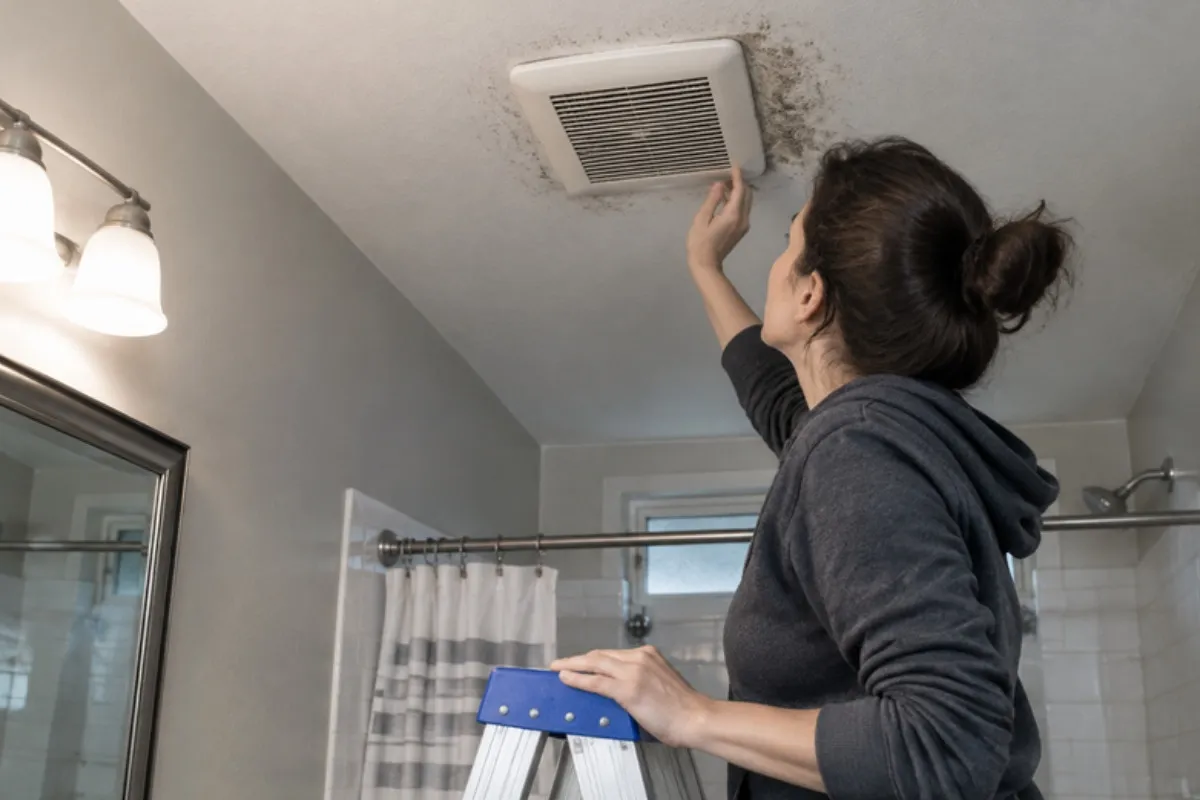
In Seminole, mildew can be the ordinary bathroom and closet kind, or the first visible sign that walls soaked during Helene and Milton were never fully dried. Surface spots under about 10 square feet on hard surfaces can usually be cleaned by the homeowner; growth on drywall that took water needs a professional. Call the number on this page to be connected with a local mold remediation company in Seminole.
Local conditions in Seminole
The Tampa Bay Times reported that Helene and Milton in 2024 were called the worst storms in Seminole's history. The city manager said hundreds of single-family homes were damaged, and residents of Grove Terrace reported heavy flooding. In homes like those, mildew that appears months after repairs can mean drywall, insulation or baseboards were closed up while still damp. Pinellas County's guidance after Milton was to remove wet contents from flooded homes as soon as possible to prevent mold and to clean and disinfect everything that got wet.
Homes that stayed dry deal with the usual Pinellas mildew: steamy bathrooms, sweating windows, closets on outside walls and AC drain lines that clog in the summer heat. Those are cleaning and ventilation problems; the storm-related kind is a materials problem, and the table below shows the difference.
Cleaning versus removal
| Material | Mildew from humidity | Mildew after storm water |
|---|---|---|
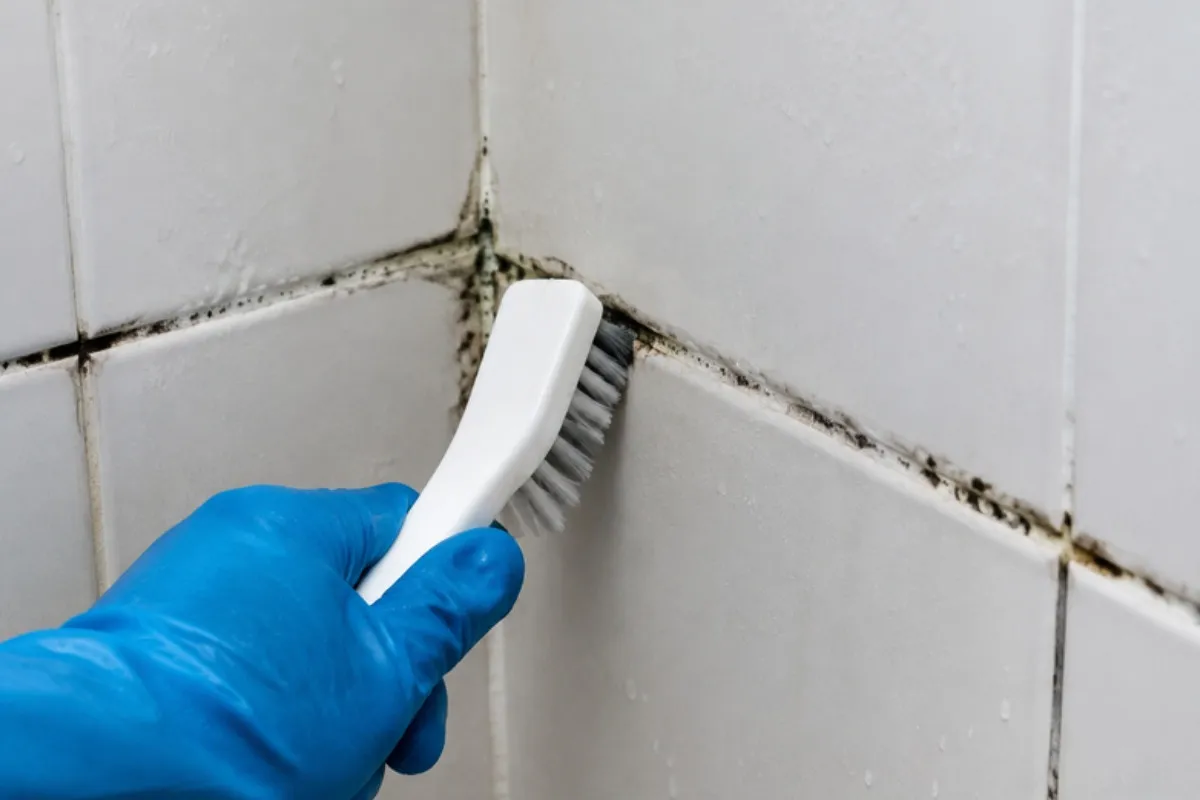
| Tile, glass, tub surrounds | Scrub with detergent, dry | Clean and dry; check grout and backer behind |
| Painted drywall | Clean small spots, fix ventilation | Usually cut out above the water line |
| Carpet and pad | Clean spot, dry the room | Usually removed |
| Wood trim and framing | Clean and dry | Cleaned and dried, replaced if soft |
| Upholstered furniture | Clean and air out | Often discarded |
Signs to watch
- A gray or dark band low on walls in rooms that flooded
- Paint bubbling or new baseboards staining months after repairs
- A musty smell that comes back after the house is cleaned
- Mildew on the back of furniture that sat in water
- Recurring spots on a bathroom ceiling under a storm-damaged roof
Timing
EPA says a home that couldn't be dried within 24 to 48 hours should be treated as having mold growth, so the clock starts the moment water comes in. For everyday mildew, the most active months are June through November, which is also hurricane season. Clean small spots promptly, keep indoor humidity under 60 percent and recheck closets and bath ceilings once the humid season ends. If cleanup turns into rebuilding, the City of Seminole Building Division issues permits inside city limits, and unincorporated Seminole-area addresses go to Pinellas County.
Mold & Mildew Cleanup questions in Seminole
Is mildew after a flood just a cleaning job?
Can mildewed clothes, shoes or furniture be saved?
Can I paint or caulk over mildew?
What can a renter do about mildew the landlord won't fix?
More mold services in Seminole
Mold & Mildew Cleanup nearby
Sources
- EPA: Mold Cleanup in Your Home
- EPA: A Brief Guide to Mold, Moisture and Your Home
- EPA: Homeowner's and Renter's Guide to Mold Cleanup After Disasters (pdf)
- Pinellas County: Post-Hurricane Milton warnings and recovery tips
- Pinellas County: Submit a code complaint
- Tampa Bay Times: Helene and Milton called worst in Seminole's history
- City of Seminole: Building
Last updated: