Post-remediation clearance testing is an independent inspection, often with sampling, done after mold removal and before walls are closed up. In Florida it normally comes from a mold assessor, not from the remediation company that did the work. Call the number on this page to be connected with a local mold inspector or remediation company.
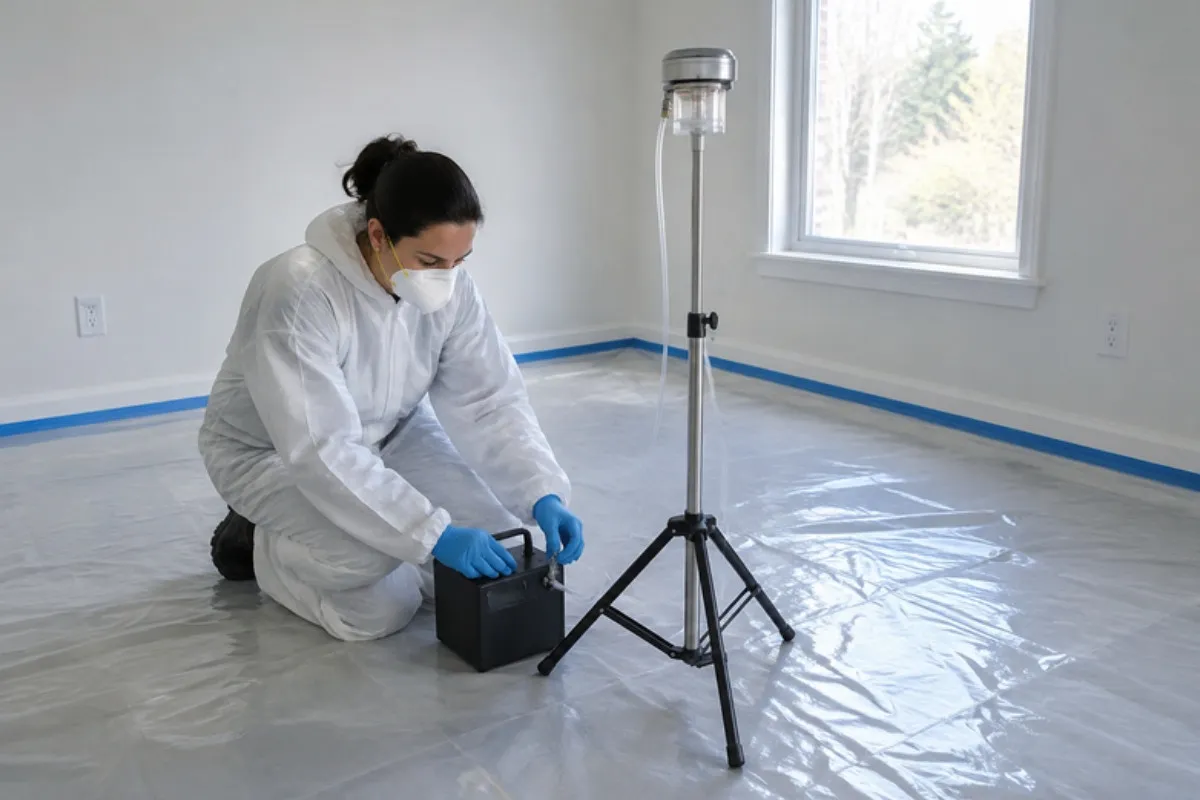
Why the remediator can't grade its own work in Florida
Florida Statutes s. 468.8419 bars a mold remediator from performing an assessment on a structure it remediated within the previous 12 months, and bars an assessor from remediating a structure it assessed in that window. The practical result is a built-in second opinion: the company that tears out the drywall is not the one that signs off on it. Florida law also says an assessor cannot take a job where the fee or the conclusions depend on the result, so a pass should not cost more than a fail.
When to schedule it
Book the assessor before the remediation starts so both companies agree on timing. Clearance should happen after the crew has finished cleaning and drying but while containment is still up and before new drywall, paint or flooring goes in. If the area fails, it is far easier to reclean an open wall cavity than a finished room.
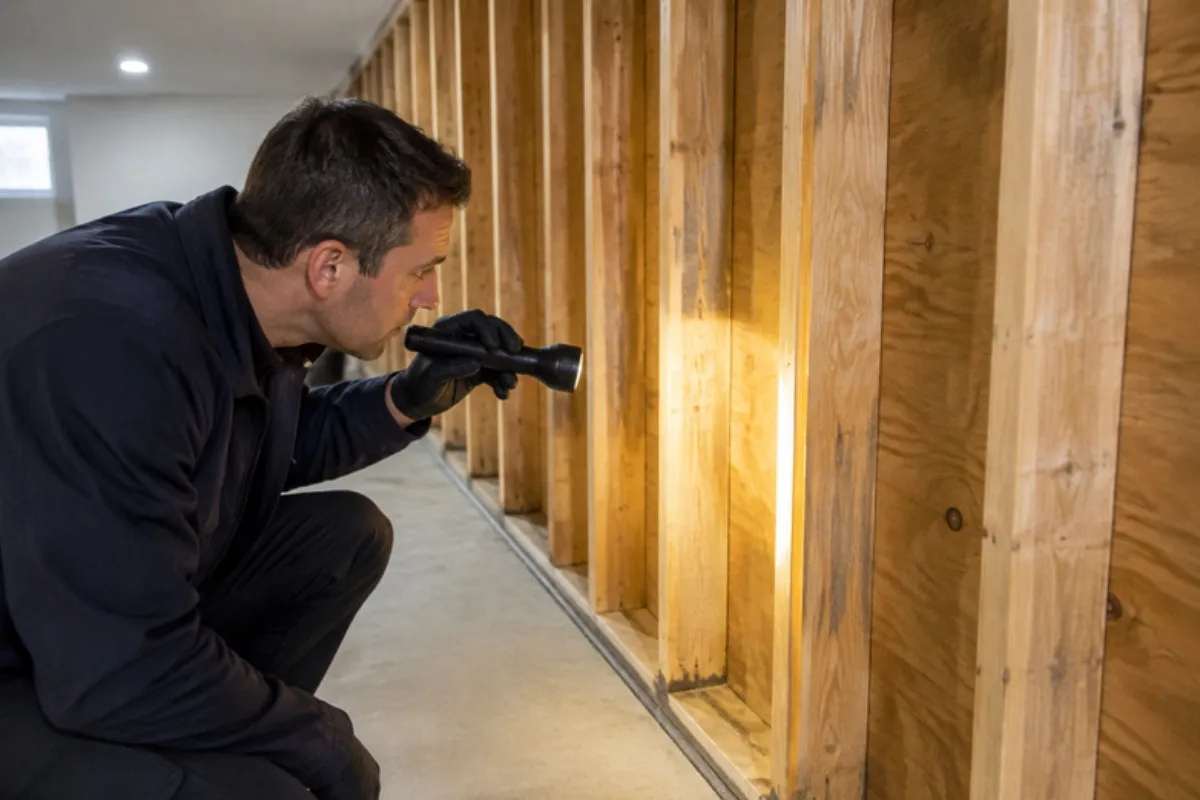
What the assessor typically does
- Reviews the original assessment or remediation protocol to confirm the scope was followed.
- Walks the work area for visible mold, dust and leftover debris.
- Checks moisture in framing and remaining materials with a meter.
- Confirms the water source, such as a roof leak, plumbing line or AC drain, has actually been fixed.
- Takes samples where useful. EPA notes surface sampling may help show whether an area was adequately cleaned; some assessors also compare indoor air to an outdoor sample.
- Issues a written report with results and a pass or fail opinion.
What "passing" means
There are no EPA or federal numeric limits for mold or spores, so results are read against outdoor samples and the assessor's judgment. EPA's guide for commercial buildings describes cleanup as complete when the moisture problem is fixed; visible mold, mold-damaged materials and moldy odors are gone; and occupants can use the space without health complaints. Ask your assessor what standard they will apply before they sample.
Cost and when it is worth it
HomeAdvisor lists typical Tampa mold testing at about $327 to $903, and Angi puts mold inspection at roughly $300 to $1,075. Price climbs with the number of samples and rooms. Clearance is most useful after larger jobs, after storm flooding like Tampa saw in Helene and Milton, in rentals, before a sale, or when a buyer, landlord or insurer wants documentation. For a small patch a homeowner cleaned per EPA guidance, a visual check and a dry wall may be enough.
Post-Remediation Clearance Testing questions from Tampa homeowners
Can the company that removed the mold do my clearance test?
What happens if the clearance test fails?
Is there a mold level that counts as a pass?
How do I check the assessor?
Related mold services in Tampa
Helpful guides
Post-Remediation Clearance Testing in nearby cities and towns
Hillsborough County
Pinellas County
Pasco County
Manatee County
Sarasota County
Polk County
Sources
- Florida Statutes s. 468.8419: Mold-related services prohibitions
- Florida DBPR: Mold-Related Services FAQs
- EPA: Mold Information Slideshow (testing and sampling)
- EPA: Mold Remediation in Schools and Commercial Buildings (pdf)
- HomeAdvisor: Mold & Asbestos Companies in Tampa, FL (cost data)
- Angi: How Much Does Mold Remediation Cost in Tampa, FL?
Last updated: