In Tarpon Springs, Helene's surge put water inside homes near the Gulf and the bayous that had stayed dry for decades, and mold followed wherever materials stayed wet. Post-flood mold removal means stripping soaked drywall, insulation and floors, drying the structure and handling the city's floodplain rules before rebuilding. Call the number on this page to be connected with a local mold remediation company in Tarpon Springs.
A city that rarely flooded, until Helene
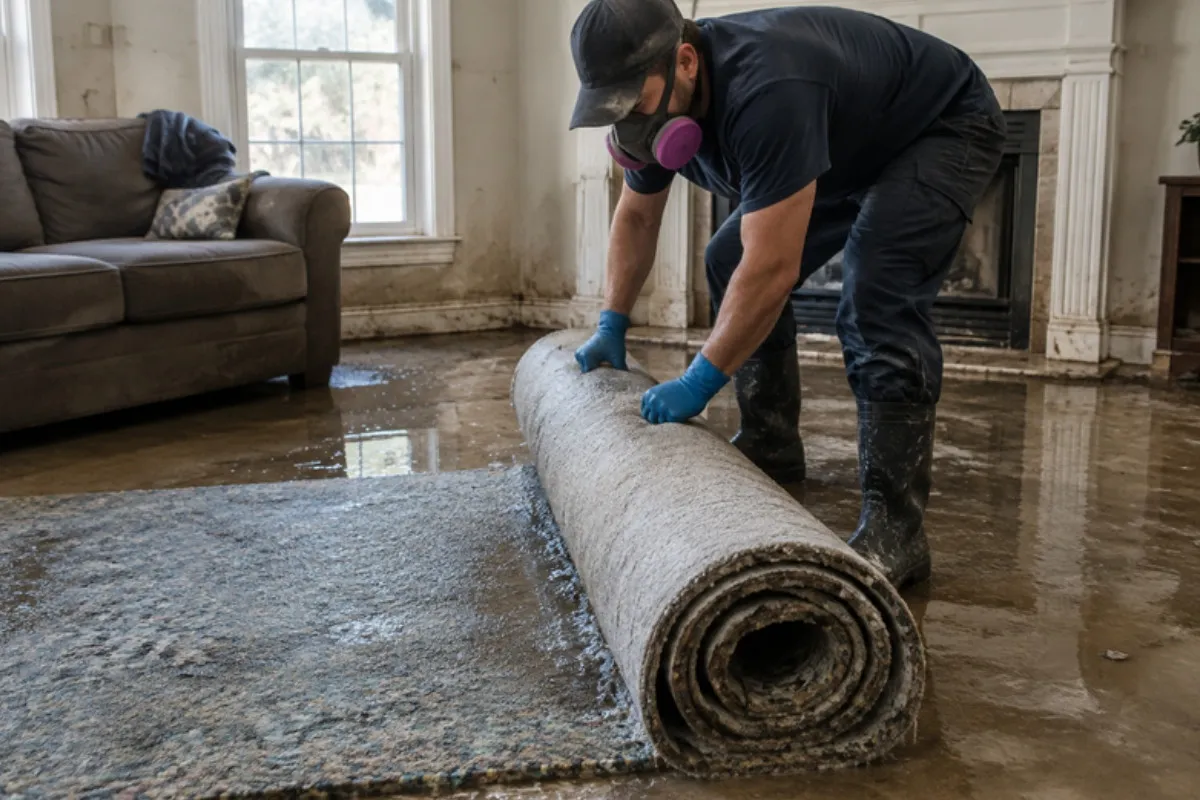
Tarpon Springs had been largely spared in past hurricanes. Then Helene's surge in 2024 flooded Seabreeze Drive, just north of Fred Howard Park, rising about 2.5 feet in 30 to 45 minutes. A family that had lived there for 47 years had water inside for the first time, and a neighbor had to swim up Riverside Drive. Owners new to flooding often underestimate it: they mop, run fans and assume the walls dried. Behind the drywall, insulation and bottom plates can stay wet for weeks.
What to do now
- Record the damage. Photograph each room and the waterline before anything is removed.
- Check your policy. Pinellas County notes most homeowners policies don't cover flood; a separate flood policy usually applies.
- Get soaked items out. Carpet, pad, mattresses and cardboard boxes keep feeding moisture into the house.
- Keep the AC off if water reached the air handler or ducts, as EPA advises for systems that may be contaminated.
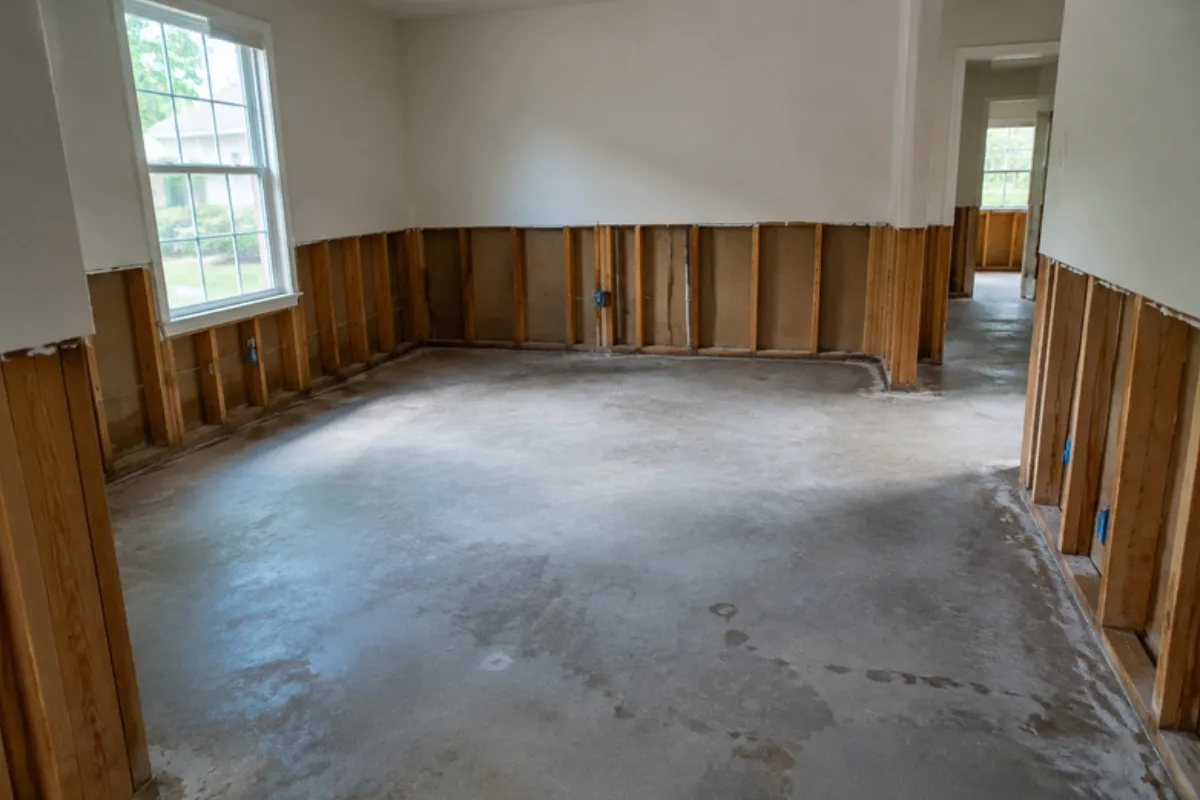
- Measure, don't guess. Ask for moisture readings above the waterline before deciding how high to cut.
- Talk to the city first about rebuild permits if the home is in a flood zone.
What you see and what it usually means
| What you see | Likely cause |
|---|---|
| Faint line on the walls a foot or two up | Surge height; cavity behind it still damp |
| Musty smell in a closet on an exterior wall | Wet insulation behind stored items |
| Swollen kitchen cabinet bases | Particleboard soaked at floor level |
| Peeling paint in an older home's plaster | Moisture trapped in the masonry or plaster |
Cost factors
Angi reports typical Tampa-area remediation of $1,347 to $3,778 and wall work of $1,075 to $21,500, depending on how much is opened; HomeAdvisor's typical Tampa range is $1,248 to $2,550. Regional figures, not quotes. Expect cost to follow the waterline, the number of rooms, cabinetry, and the age of the home; the city has a small pre-1940 stock and a median build year of 1984. The City of Tarpon Springs Building Development Department issues permits and administers floodplain management, including the FEMA 50 percent substantial damage and improvement rule, so ask there before rebuilding.
Post-Flood Mold Removal questions in Tarpon Springs
What is the substantial improvement rule after a flood?
What has to be thrown away after floodwater gets inside?
Should I run the AC after the house flooded?
Who does the clearance check after flood mold removal?
More mold services in Tarpon Springs
Post-Flood Mold Removal nearby
Sources
- EPA: Homeowner's and Renter's Guide to Mold Cleanup After Disasters (pdf)
- EPA: Mold Cleanup in Your Home
- Angi: How Much Does Mold Remediation Cost in Tampa, FL?
- HomeAdvisor: Mold & Asbestos Companies in Tampa, FL (cost data)
- Florida Statutes s. 468.8419, Prohibitions; penalties (Florida Senate)
- Pinellas County: Flood information
- Florida Department of Health in Pinellas County: Hurricane Helene information
- Tampa Bay 28: Tarpon Springs neighbors help each other recover after Helene
- City of Tarpon Springs: Building Development
- Point2Homes: Tarpon Springs demographics
Last updated: