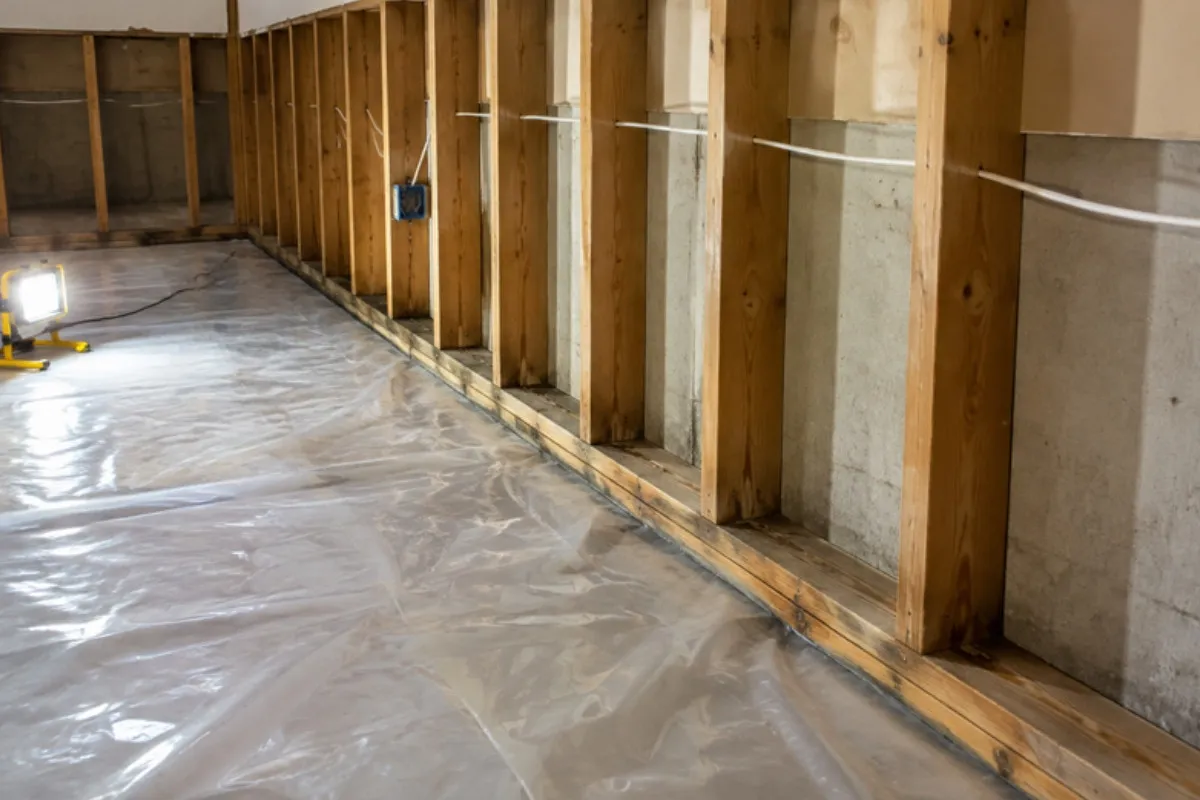
Black mold in a New Port Richey home comes out the same way any indoor mold does: stop the water, seal off the area, remove the porous material it has colonized and dry what stays. Its color doesn't change the plan, and EPA says sampling visible growth is usually unnecessary. Call the number on this page to be connected with a local mold remediation company in New Port Richey.
Why dark mold turns up here
New Port Richey sits about 20 feet above sea level, and the Pithlachascotee River runs through downtown on its way to the Gulf. Helene's surge in 2024 pushed water into homes across the area; one resident reported a four-foot line inside her house, and in Gulf Harbors water lines showed several feet in most homes. In Tropic Shores, residents said floodwater came in mixed with wastewater after the river and Gulf forced saltwater into the system through manholes and storm drains.
Storms aren't the only source. The median home dates to about 1980, roughly 15 percent of units are mobile homes, and about 42 percent of occupied homes are rented. Aging roofs, original supply lines and manufactured-home floors all give dark mold a steady supply of water in ordinary years.
What gets cleaned and what gets removed
| Where the dark growth is | Usual approach |
|---|---|
| Tile, tub surrounds, glass | Scrubbed, rinsed and dried |
| Painted drywall, small surface spots | Cleaned if the paper facing is intact and dry |
| Drywall stained through or soft | Cut out well past the visible edge |
| Studs and plates | Cleaned and dried if solid, replaced if soft |
| Anything touched by sewage-tainted floodwater | Porous items removed and bagged |
Signs it has gone past a surface stain
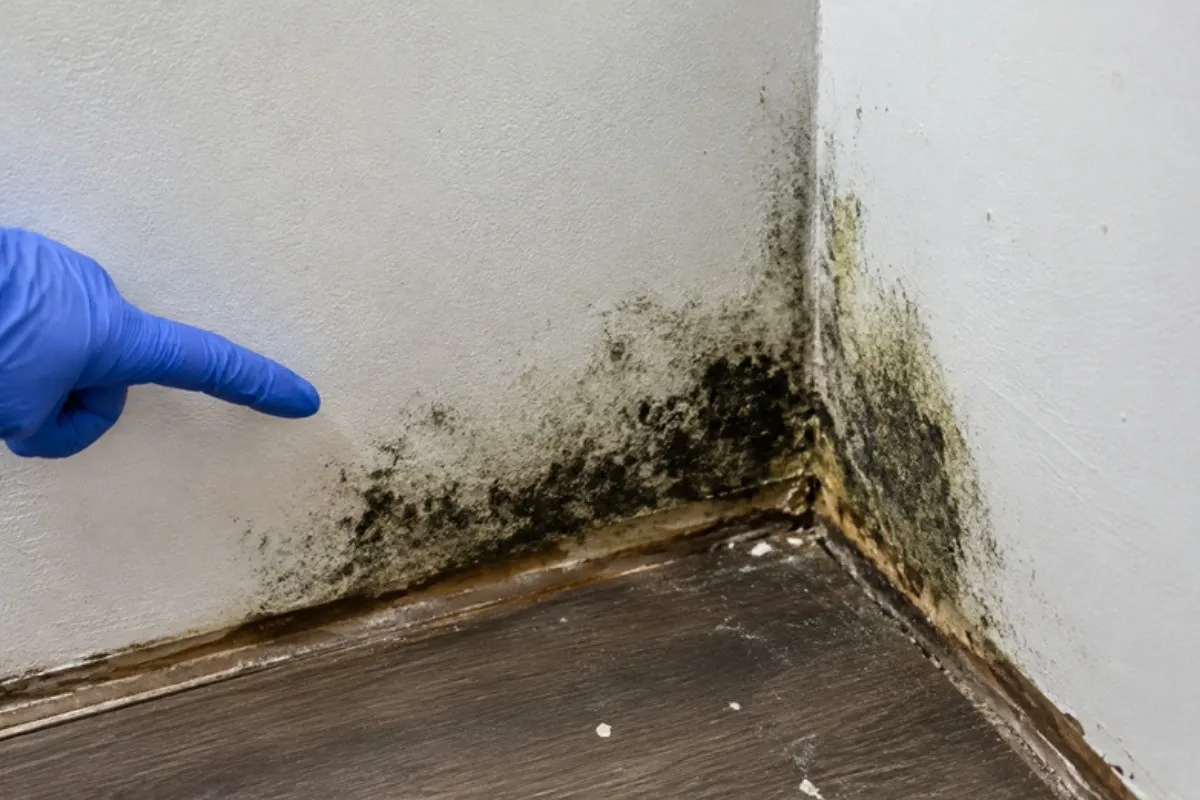
- Black speckling that comes back within days of scrubbing
- A musty smell in a closet or behind furniture on an outside wall
- Bubbled paint or swollen baseboards at the old flood line
- Soft spots in a mobile home floor near the kitchen or bath
- Staining on a ceiling under the roof valley or the air handler
Timing matters
DOH-Pasco's flood guidance says to throw out items soaked by floodwater that can't be cleaned and dried within 24 to 48 hours, ventilate while removing wet or moldy materials, and remove visible mold before painting or caulking. The same clock applies to a burst supply line in July. Hurricane season runs June through November, and the summer's humidity slows drying, so a leak that would dry on its own in winter can turn black in a week in August. Whatever the season, a remediation company can't keep the mold from returning until the water source is fixed.
Black Mold Removal questions in New Port Richey
Does black mold after a flood need different handling?
Should I test dark mold to find out what species it is?
Do I need a permit to replace drywall after the mold comes out?
Is dark mold under a mobile home a problem?
More mold services in New Port Richey
Black Mold Removal nearby
Sources
- EPA: Mold Cleanup in Your Home
- EPA: Mold Information Slideshow (testing and sampling)
- EPA: Homeowner's and Renter's Guide to Mold Cleanup After Disasters (pdf)
- FOX 13: Hurricane Helene floods thousands of Pasco homes
- FOX 13: Hurricane Helene devastates Pasco residents
- Tampa Bay 28: New Port Richey residents say sewage flooded homes during Helene
- City-Stats: New Port Richey housing
- Wikipedia: New Port Richey, Florida
- Florida Department of Health in Pasco County: Flood safety tips
- City of New Port Richey Building Division
Last updated: