Mildew in New Port Richey homes usually shows up as a gray or dark film on shower ceilings, grout, window sills and closet walls, fed by humid air and slow leaks. EPA says patches under about 10 square feet on hard surfaces are usually a homeowner job, while larger, returning or hidden growth needs a professional. Call the number on this page to be connected with a local mold remediation company in New Port Richey.
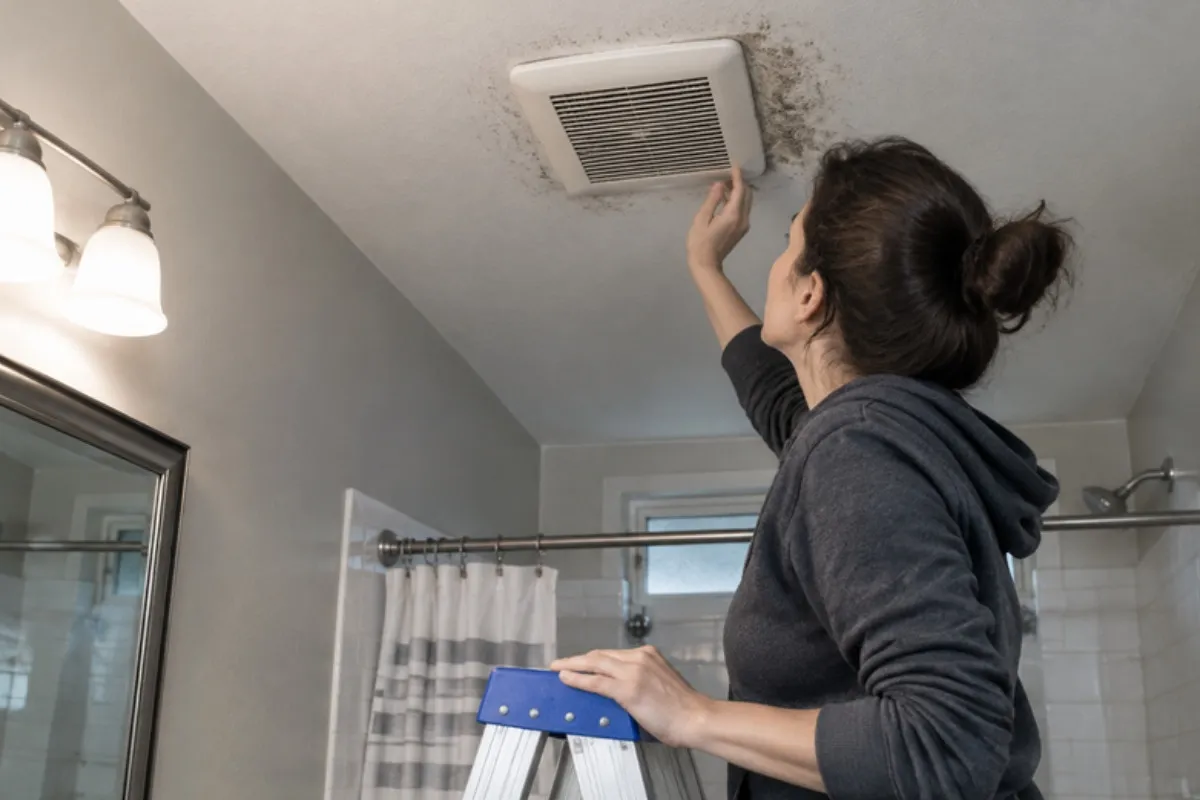
What feeds mildew in New Port Richey
New Port Richey sits low, about 20 feet above sea level, with the Pithlachascotee River running through downtown to the Gulf. Helene's surge in 2024 put water inside homes across the area, and in Tropic Shores residents reported floodwater mixed with wastewater backing into houses. A home that went through that kind of water isn't a mildew-wiping situation; soaked drywall and flooring usually have to come out.
Most mildew calls here come from ordinary conditions, though. The median home dates to about 1980, roughly 15 percent of housing units are mobile homes, and about 42 percent of occupied homes are rented. Aging bath fans, single-pane windows that sweat, and manufactured-home roofs and floors all keep surfaces damp long enough for a film of growth to settle in.
Surface mildew or a deeper problem?
| What you see | Likely just surface mildew | Likely needs more than cleaning |
|---|---|---|
| Spots on grout or the shower ceiling | Wipes away and stays gone for months | Back within two weeks, or tile feels loose |
| Film on a window sill | Only where condensation collects | Wood is soft or paint is bubbling below the sill |
| Fuzzy growth in a closet | On stored items, wall is dry | Wall is stained or cool and damp to the touch |
| Musty smell | Fades after airing out and running the AC | Strongest near a baseboard, sink base or floor |
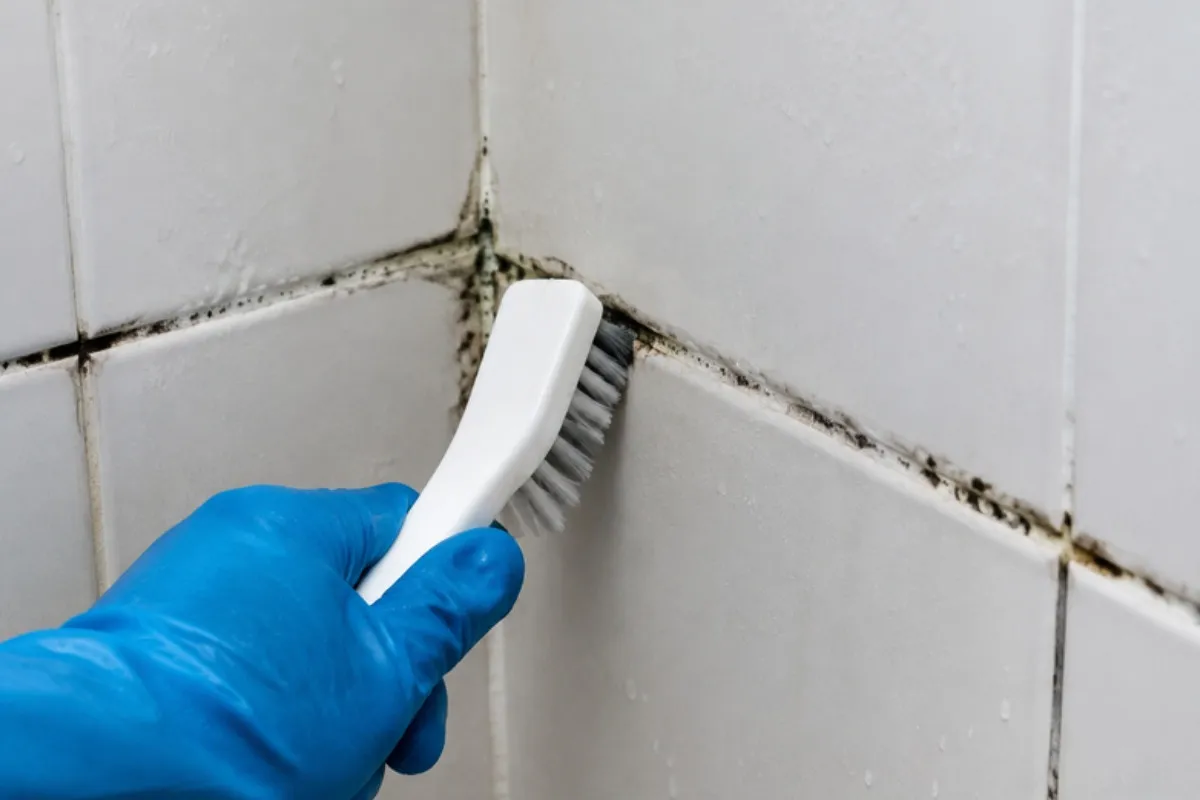
Signs to take seriously
- Growth that comes back soon after a thorough scrub
- Mildew low on walls in a room that took floodwater
- Soft spots in a manufactured-home floor near the bath or kitchen
- Spotting on vent covers or the ceiling near the air handler
- A patch that has grown past about 10 square feet
Timing through the year
Mildew moves fastest from late spring through the end of hurricane season, when outdoor air is heavy and AC systems work hardest. DOH-Pasco's post-flood advice is to throw out soaked items that can't be cleaned and dried within 24 to 48 hours, ventilate while removing wet or moldy material, and remove visible mold before painting or caulking. That last point matters for everyday mildew too: a fresh bead of caulk over gray spots in a tub corner just hides growth that keeps spreading. Winter is a good time to check closets and bath ceilings, since growth that started in August is easier to spot once the house dries out.
Mold & Mildew Cleanup questions in New Port Richey
How do I handle mildew in a mobile or manufactured home?
What can a renter do about mildew the landlord won't fix?
Is mildew after a flood just a cleaning job?
What should I use to clean mildew?
More mold services in New Port Richey
Mold & Mildew Cleanup nearby
Sources
- EPA: Mold Cleanup in Your Home
- EPA: Homeowner's and Renter's Guide to Mold Cleanup After Disasters (pdf)
- Florida Department of Health in Pasco County: Flood safety tips
- Wikipedia: New Port Richey, Florida
- Tampa Bay 28: New Port Richey residents say sewage flooded homes during Helene
- City-Stats: New Port Richey housing
- City of New Port Richey Code Enforcement
Last updated: